 NEUROLOGROS
Autistic people tend to prefer predictability and structured routines, because that way they know what to expect. Without surprises or unexpected changes, they can feel at ease.
Let's walk through the transitions in a hypothetical, but everyday, routine in the life of a child with autism spectrum disorder. We hope you'll see why certain strategies matter for making their day easier.
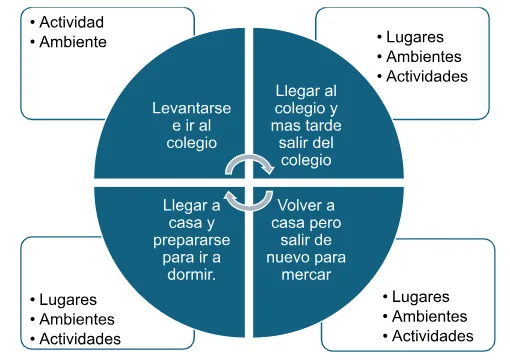
And, of course, in these scenarios 2, 3 or more meltdowns happen. Why? The child...
- Has to stop doing something they enjoy, somewhere they're comfortable, to do something they don't enjoy somewhere else, possibly with more sensory overload.
- Or has to leave a friendly environment to move to one that feels uncomfortable.
- Or may stay in the same place, but switch activities, which means shifting their attention to a completely different goal.
All of this happens with no warning, ignoring any routine and without explaining, in a way the child can understand, how long it will take — which causes anxiety, stress and overstimulation.
Strategies that help
- Visual schedules, to go over the day's activities at school.
- Choice boards, so they can choose, for example, which aisle to start shopping in.
- Before-and-after boards, to explain that after school they'll go to the grocery store.
- Timers, to show how much time is left before bedtime.
These strategies take us 2 to 5 extra minutes, but they give us calmer family moments and lower our kids' stress.
 Watch the video too (in Spanish)La herramienta visual definitiva para que tu hijo siga rutinas sin crisis